ROYAL COLLEGE OF PODIATRY
Pictures and images – be wary, be careful and know how to use them
Using images from the internet without permission can expose businesses to costly copyright claims. Here’s what podiatrists and small business owners need to know to protect themselves.

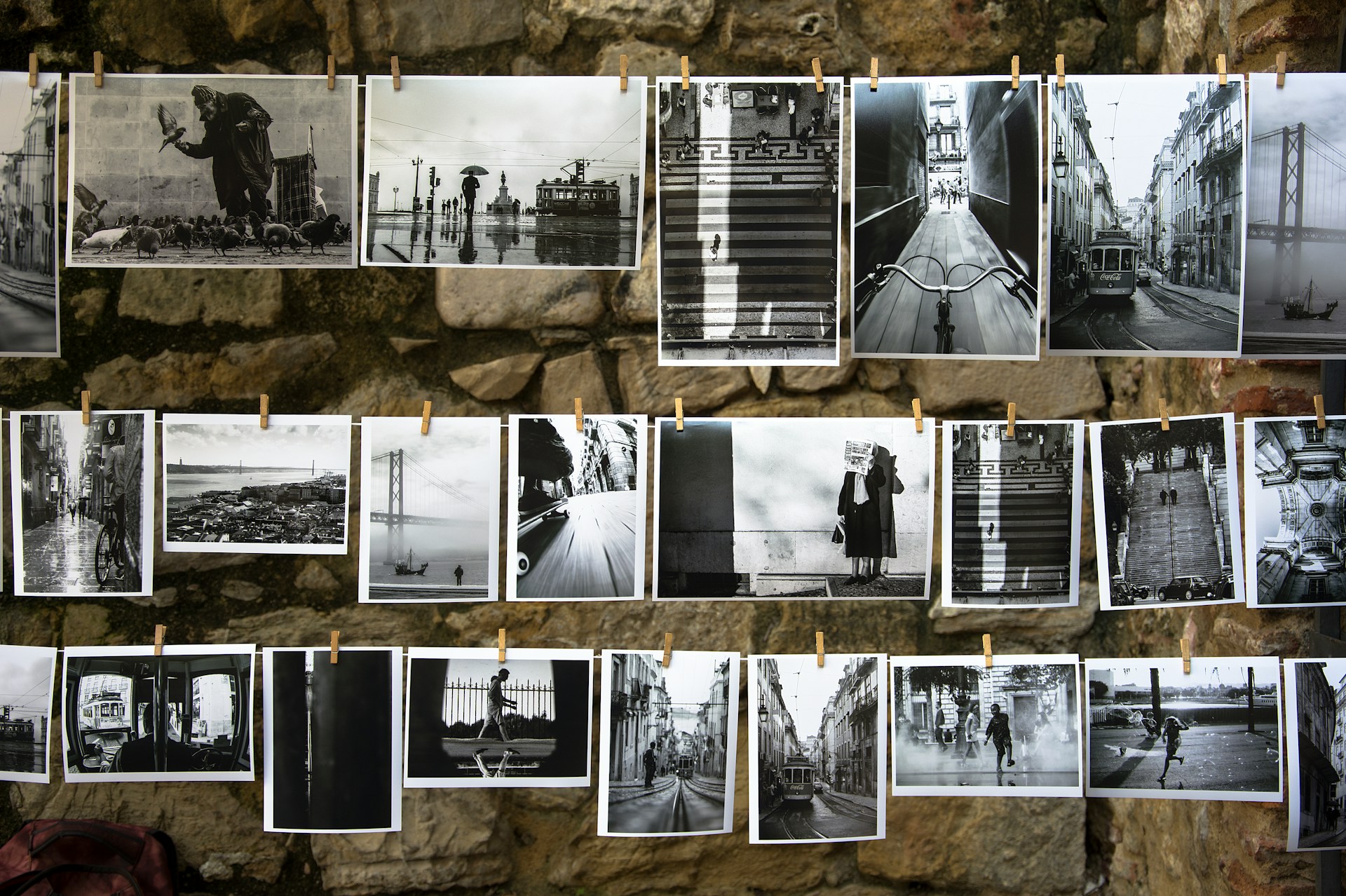
Picture the scene
You’ve finished a busy day of seeing patients. The doors have closed, but the work hasn’t stopped. There are notes to finish, payroll to review and staff training to organise. Somewhere in the middle of it all, you’re also trying to think about how to promote your practice.
You decide to post something online.
You search for an image. You find one quickly on the internet, download it and upload it to your website or social media. There is nothing stopping you from doing it. No warning message. No barrier. No indication that what you are doing may carry legal risk.
And then, weeks or months later, a letter arrives.
It states that you have used a copyrighted image without permission or license and are now being asked to pay compensation – sometimes hundreds or even thousands of pounds.
This is not an uncommon situation. Over the years, members have notified the Royal College of Podiatry when they have received copyright infringement letters relating to image use on websites, social media and marketing materials.
Many had no idea they were doing anything wrong.
Why this creates risk
Most photographs and images are protected by copyright automatically from the moment they are created.
That means the photographer, creator or agency that owns the image controls how it can be used. In many cases, businesses and organisations pay for permission to use those images under specific licensing agreements.
Those licences can vary considerably. Some allow use only on a website. Others may permit use in advertising, printed materials or social media campaigns. Some images are licensed for “editorial use only”. This means they can appear in articles or informational content but not in business websites, advertising or promotional material.
Problems arise when businesses use images without understanding who owns them or whether permission has been granted.
And in law, unintentionally using a copyrighted image is still copyright infringement.
When a letter arrives
Several members have reported receiving letters from companies such as PicRights and Rights Control after using images online without licence or permission.
These companies work with photographers and image agencies to identify and pursue alleged unlicensed image use online.
The letters can feel alarming, particularly for small business owners who may have used an image unknowingly or assumed that images found through search engines or social media were free to use.
For many recipients, the uncertainty is what causes the greatest concern:
is the letter legitimate?
how serious is the issue?
what should happen next?
While every situation is different, the key point is that copyright law applies to images just as it does to written work, music or film.
Why businesses get caught out
Part of the problem is that images online feel freely available.
Search engines make photographs instantly accessible. Social media encourages sharing and reposting. Images move constantly between websites, group chats and professional networks, often without attribution.
For busy business owners, downloading an image can feel no different to copying a web link or saving a document.
But accessibility does not equal permission.
Using an image found online without understanding the licensing position can expose businesses to legal and financial risk.
Protecting yourself
The safest option is to never use an image unless you know where it came from and what permission exists to use it.
Businesses should source images through reputable and properly licensed channels.
That may include:
paid stock photography libraries
free image platforms with clear licensing terms
Creative Commons images used within licence conditions
original photography taken by you or your organisation
It is also important to read licence terms carefully. Some free-to-use images still contain restrictions around commercial use, modification or attribution.
Where uncertainty exists, it is usually safer not to use the image at all.
To keep yourself safe, never use images from the internet that you do not have permission to use.
Safe way to source images
Paid stock photography
Free image platforms
Other options
Properly licensed Creative Commons images
Original photography taken by your practice or organisation
Final takeaway
Images are now part of everyday business communication. Websites, newsletters, social media and marketing materials all rely heavily on photography and design.
But while downloading an image may feel quick and harmless, copyright law still applies online.
For businesses, the safest approach is not simply to deal with problems after they arise, but to build good habits from the outset.
Featured Posts


Explore Categories




Related Post

An educational video is encouraging people with diabetes in Cornwall to look after their feet and seek help early, as new figures show fewer major and minor amputations than a decade ago.

Surrey Downs Health and Care Partnership has brought podiatry, MSK, diabetes and community services together through a series of Community Assess and Support Days. Laura Price and Nevena Hristova explain how the model works – and what they have learnt from seven events.
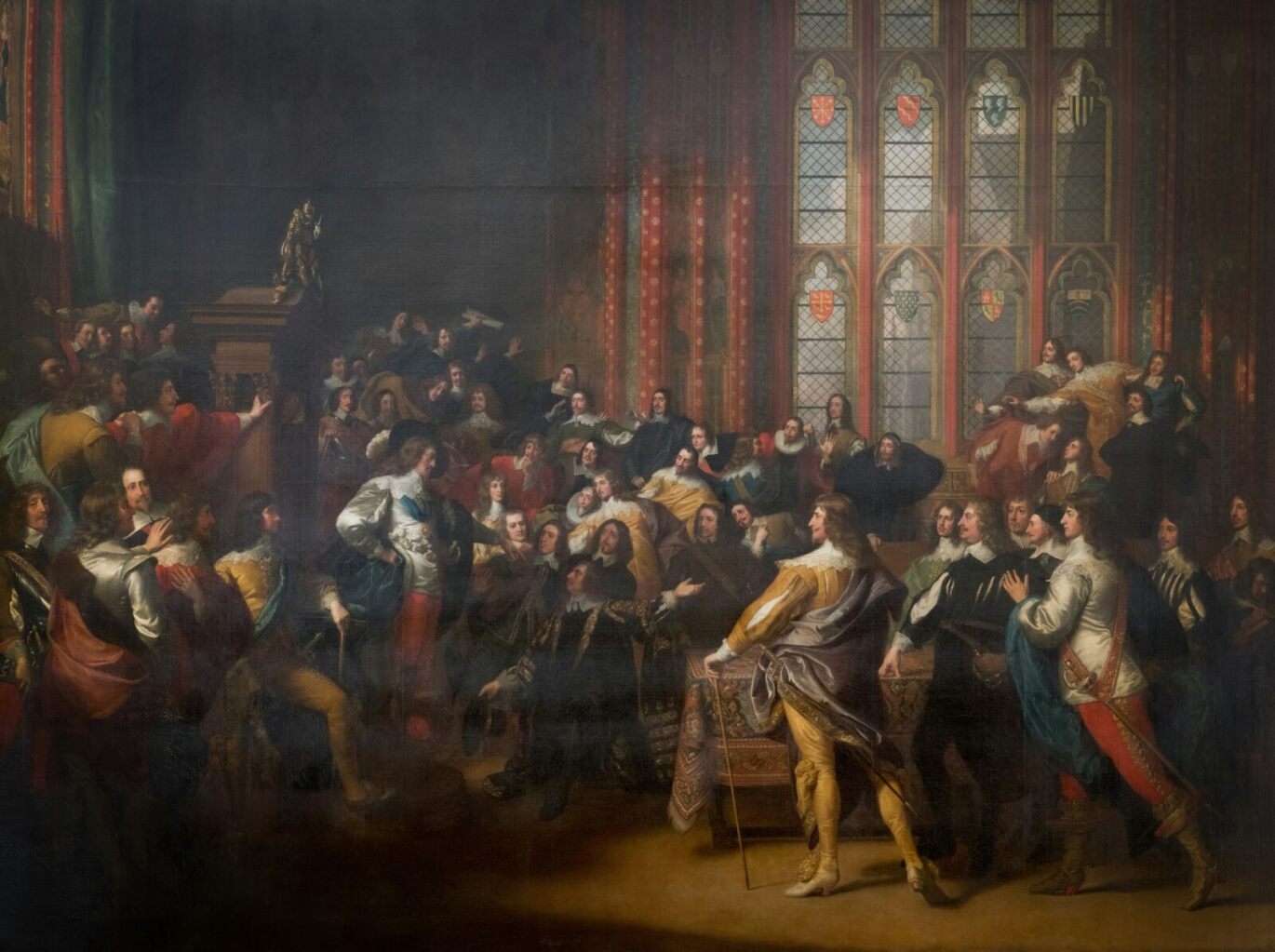
Painful feet have been observed, documented and treated for centuries. In this feature, Dr Thomas Collins explores how routine lower limb care was described in early modern England – and what these accounts reveal about the long and often invisible history of the profession.
RCPod Annual Conference
26–28 November
ICC Birmingham
Your place
26–28
Nov 2026
ICC Birmingham
Conference & Exhibition + Immersive Day