ROYAL COLLEGE OF PODIATRY
Back to rcpod.org.uk
The hidden hands of early foot care
Painful feet have been observed, documented and treated for centuries. In this feature, Dr Thomas Collins explores how routine lower limb care was described in early modern England – and what these accounts reveal about the long and often invisible history of the profession.

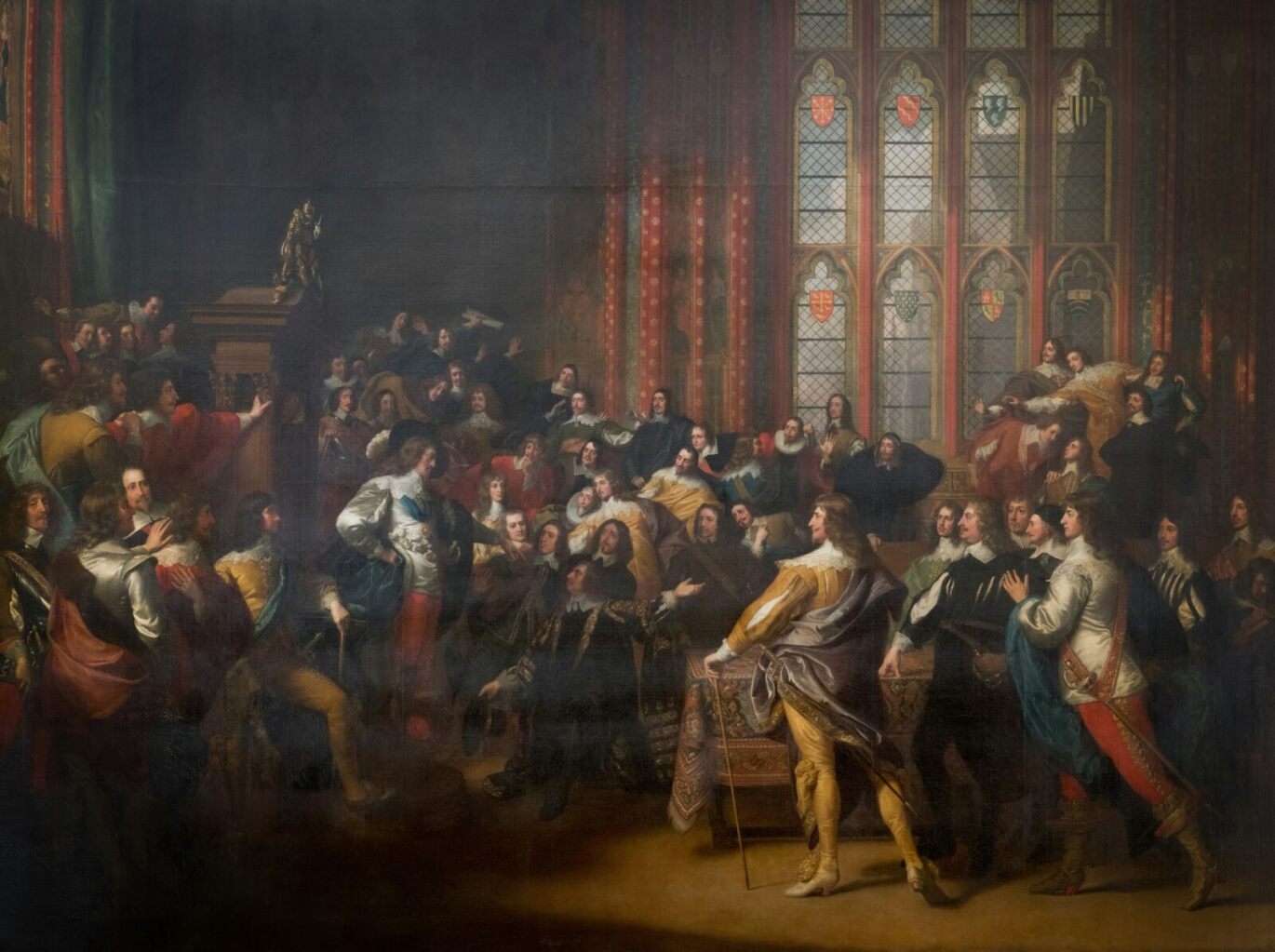
Podiatry is often told as a story that begins in the nineteenth century. But painful lower limbs did not wait for professional recognition.
Long before formal titles or professional bodies, people were cutting ingrown nails, removing corns and tending to wounds. Pain, deformity and infection were familiar features of everyday life. They were described in printed pamphlets, debated in medical texts and most importantly, treated.
Looking back – what early practice reveals
In early modern England, between 1500 and 1700, as Henry VIII married and remarried, Shakespeare wrote for the stage and London’s presses expanded, practical guides began to circulate. These works catalogued common foot ailments, explained why they arose and offered remedies. A twenty-first-century podiatrist would recognise them instantly. What they reveal is not the birth of a profession, but the persistence of a need.
Leonardo Phiorvanti Bolognese is one of the profession’s largely forgotten predecessors. In 1580, he described men “troubled with a certain infirmity under ye nayle of the great toe” – what we would now recognise as an ingrown toenail. His treatment was direct and practical – cut away the offending nail, relieve the pain and dress the wound with preparations available at the time until it healed.
John Hester, writing in 1594, described corns as “a kinde of hard tumor” – a definition that remains recognisable today. He believed they were caused by the body attempting to expel impurities, which were sent to the “lower parts of the feet, where, unable to pass further, they make residence.” The language differs, but the condition would be familiar to any modern practitioner.
His treatments were not always gentle. For corns “in their greatest state, and cause most payne,” he advised they be “cut untill they bleed.” Such practices reflect a very different understanding of infection, pain and risk. The condition is familiar; the method is not. He also recommended the application of hot poultices and balms before bed, followed the next morning by pine-resin oil. If followed carefully, he wrote, “the cornes will be taken away.”
More than maintenence
The early modern approaches to verrucae were more contested and considerably more unsettling. Especially by our modern standards. It was in 1662 that Robert Bayfield said that they “sticketh in with broad roots, so that [they] cannot be cut out, without great ulceration.” There were various treatment options at the time, including one that involved using ox dung and another that suggested burning them away entirely.
Hester also drew on earlier European authorities, including Galen. Recounting the work of a Roman practitioner, Galen described a method in which lesions were first sucked and then “utterly destroyed… by biting them clean out.” It is an unsettling image, but one that speaks to the ingenuity — and the risks — involved in treating everyday foot conditions before formal professional standards emerged.
What we might have lost along the way
What these texts rarely reveal is who performed the work. Such tasks were beneath the status of university-educated physicians. Care may have fallen to barber-surgeons, servants or family members – hands that relieved pain but left little trace in the record.
There is no shortage of evidence about early foot care treatments. The people providing that care, however, are notable for their absence. Accounts of foot pain are plentiful – the lord of the manor crippled by gout, the stable boy tormented by an ingrown nail, verrucae troubling the maidservant. The suffering is recorded in detail. The hands that relieved it are not.
Rethinking everyday practice
The profession has expanded its scope, developed advanced training and formal standards. But at its core remains the act of relieving pain – a task that predates the title itself.
This silence all those years ago suggests that foot care was so embedded in everyday life that it rarely required attribution. The labour was ordinary rather than remarkable. Someone, somewhere, was already relieving pain, treating infection and restoring comfort. The profession may be modern; the work is not.
Featured Posts


Explore Categories