ROYAL COLLEGE OF PODIATRY
Back to rcpod.org.uk
The New Podiatrist
After many years in print, The Podiatrist is evolving into a new, digital-first publication. Professional Editor Dr Chris Morriss-Roberts explains what is changing and what members can expect next.


Welcome
After many years in print, The Podiatrist is evolving into a new, digital-first publication. Professional Editor Dr Chris Morriss-Roberts explains what is changing and what members can expect next.
This new platform, The New Podiatrist, is the result of many months of work. It also marks the end of The Podiatrist in its current printed form.
For many members, The Podiatrist was more than a publication. Arriving through the letterbox, it was a physical reminder of your affiliation to the Royal College of Podiatry – our professional community. It shared research, debate, opinion, clinical insight, trade union updates, business advice, conference highlights and the stories of colleagues across the UK. In short, it mattered.
But our profession, and the way we consume and share information, has changed.
Over the past year, the College has listened carefully to members: students, early-career podiatrists, experienced clinicians in the NHS and independent practice and contributors. The message has been consistent. You value clinical and CPD-focused content. You want timely news, career guidance and professional updates. You want content that is easier to find, easier to share and easier to cite. And increasingly, you want to access it digitally.
At the same time, we must ensure that your membership delivers the best possible value.
That is why we are proud to launch a new, fully digital publication under a new name: The New Podiatrist. It builds on everything that made The Podiatrist valuable, while addressing the limitations of a print-led model. Digital gives us the opportunity to offer more, including new formats such as podcasts, alongside richer and more timely content.
What will change?
Content will be published continuously, rather than waiting for a print cycle
There will be more frequent news, more CPD-focused material and more career-stage relevant content
Articles will be searchable, discoverable and shareable
Content will be easier to reference and cite
Access will be available from anywhere – on mobile, tablet or desktop
What will not change is our commitment to quality, independence and professional relevance.
Moving to digital also allows the College to invest resources more effectively – not only in publishing, but across the wider package of member benefits, including education and professional support. That broader context is important. This is not about reducing value, it is about reshaping it to reflect how members work and learn today.
We recognise that many members value print. That feedback has been heard and respected. This decision has not been taken lightly. But the opportunity to create something more dynamic, more responsive and more integrated with the College’s wider work is significant.
For those who value print, we will produce a single, high-quality annual edition. Something to keep and return to.
In the coming months, members will see the continued development of the new publication. We encourage as many of you as possible to contribute. This is your platform and it should reflect the breadth, reality and ambition of the profession. If you have ideas, I encourage you to get in touch at: thenewpodiatrist@rcpod.org.uk
On behalf of the editorial board and all those who have contributed over the years – our writers, reviewers, interviewees, photographers, designers and, most importantly, you, our readers – thank you for supporting the development of the profession.
This is The New Podiatrist – a digital evolution, for you.
Featured Posts


Explore Categories




Related Post
More than 70 nominations were submitted for this year’s awards, with finalists now confirmed ahead of the ceremony at the Royal Institution on 12 June.
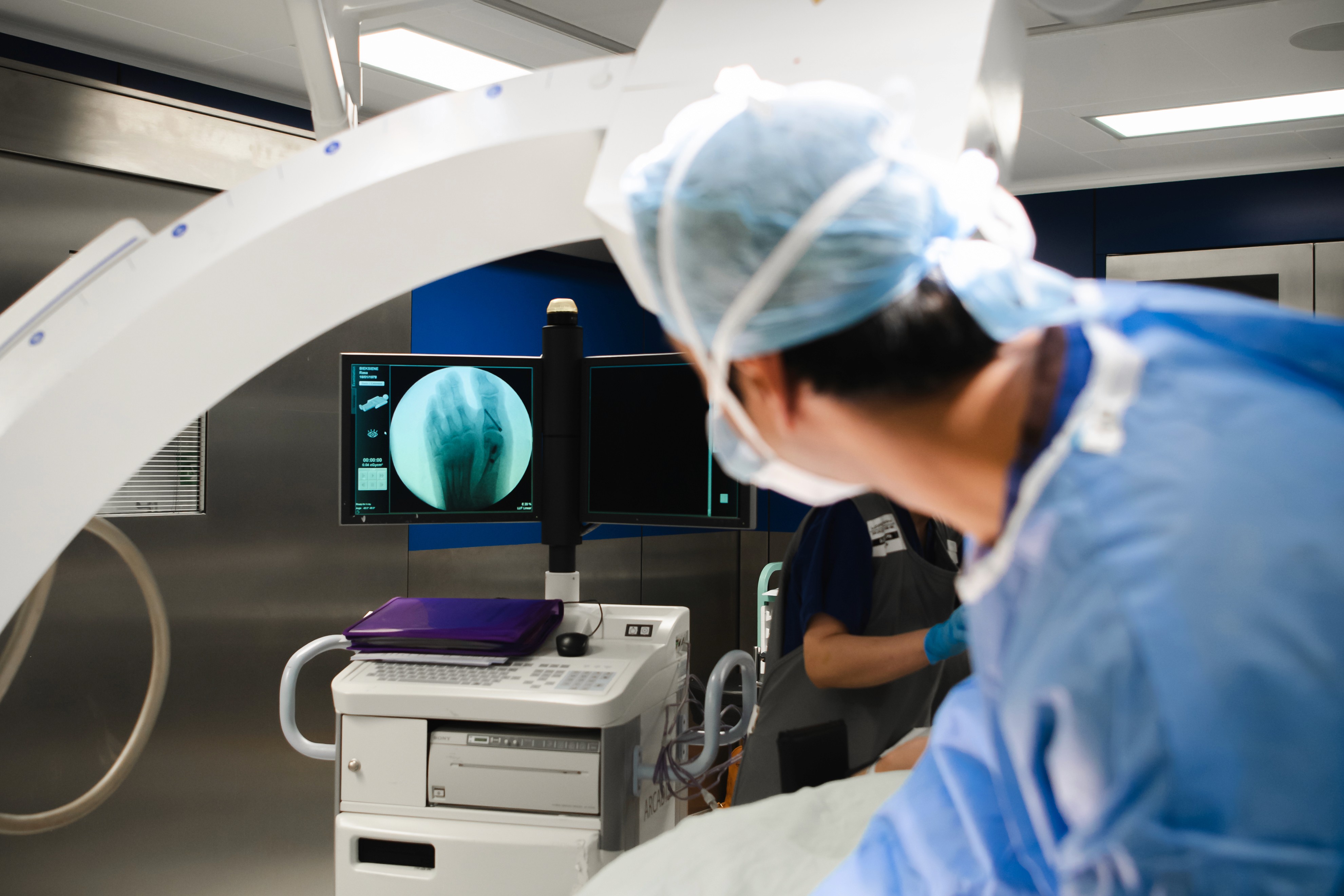
The Faculty of Podiatric Surgery has published new guidance setting out a structured framework for annual appraisal across the NHS and independent practice.

Six new Council members have been elected by the College’s members to fill the vacant seats on its board of directors.