ROYAL COLLEGE OF PODIATRY
>
>
Chief Medical Officer warns rural healthcare must adapt to ageing population
Chief Medical Officer warns rural healthcare must adapt to ageing population
England's rural communities are ageing faster than its cities, while poor transport links and difficulties recruiting healthcare staff are making services harder to deliver. A new report calls for healthcare to reflect the needs of people living in rural areas and small towns.
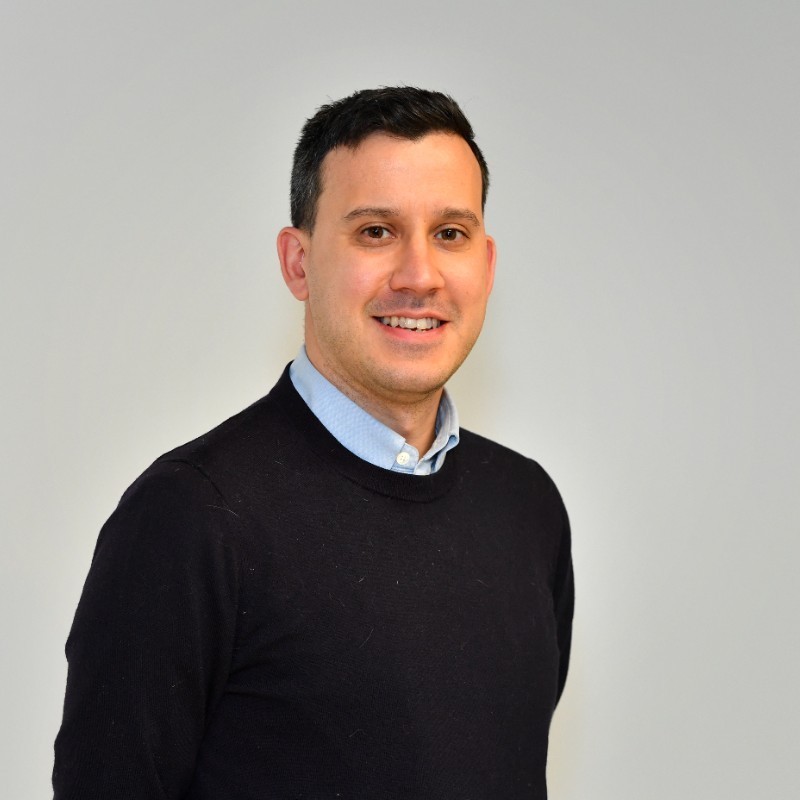

England's Chief Medical Officer, Professor Sir Chris Whitty, has warned that healthcare services designed for cities cannot simply be replicated in rural communities.
His annual report for 2026, published on 4 November, examines the health challenges facing people in rural areas and small towns, where populations are older and access to healthcare can be more difficult.
In 2024, 28% of people living in smaller rural communities were aged 65 or over, compared with 12% in London.
The report warns that this growing concentration of older people will increase demand for healthcare, requiring the NHS to plan services around the changing needs of rural populations.
Longer journeys to healthcare
Limited public transport and long distances can make accessing healthcare particularly difficult for older patients and people who cannot drive.
Figures cited in the report show that in 2019, around half of rural residents could reach a hospital within an hour by public transport or walking, compared with approximately 90% of urban residents.
Professor Whitty recommends more flexible appointment arrangements for people travelling long distances, including opportunities to schedule appointments around available public transport.
The report also calls for greater use of digital consultations where clinically appropriate, while emphasising that patients who need physical examinations must still be able to access face-to-face care.
Workforce pressures
Recruiting and retaining healthcare professionals is another challenge for rural services.
The report warns that some services are so vulnerable to staffing pressures that losing just one or two employees could threaten their viability.
It recommends expanding rural placements for healthcare students and addressing professional isolation, limited training opportunities and difficulties with career progression.
Implications for podiatry
A case study from Northumberland shows what these difficulties can mean in practice. A community volunteer driver scheme helps people living in remote areas reach healthcare appointments.
Among those using the service is Mary, who lives with Alzheimer's and can no longer drive. “This is a lifeline for me,” she says.
The scheme's 10 volunteer drivers make around 30 journeys a month, with round trips ranging from 10 to 100 miles. Heidi Moore, a care co-ordinator at Bellingham Practice, says the scheme helps patients attend appointments for eye screening, podiatry and physiotherapy at the surgery.
Although the report makes no recommendations specifically for podiatry, its findings raise questions about how services are organised and how clinicians are recruited and supported in rural communities.
Professor Whitty argues that responding to the different healthcare needs of rural populations is a national responsibility, even where services are planned locally.
Links and references
Featured Posts


Explore Categories








RCPod Annual Conference
26–28 November
ICC Birmingham
Your place
26–28
Nov 2026
ICC Birmingham
Conference & Exhibition + Immersive Day