ROYAL COLLEGE OF PODIATRY
Back to rcpod.org.uk
Making Tax Digital – what podiatrists need to do now
A major change in how self-employed clinicians report income is now under way. From April 2026, thousands of podiatrists must report tax digitally every quarter, yet awareness remains low.

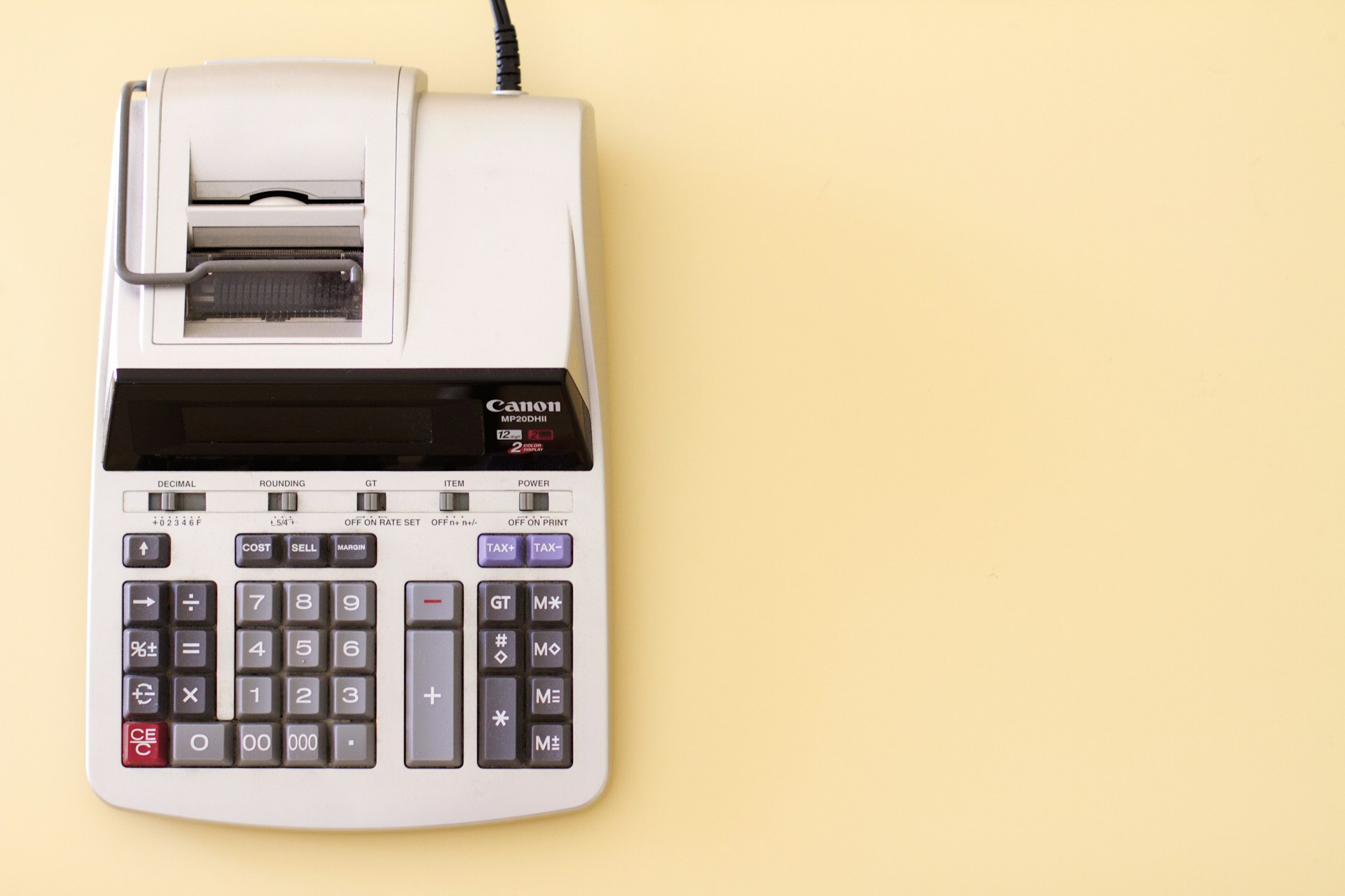
A significant change to tax reporting
Making Tax Digital for Income Tax Self-Assessment has now come into force, marking a significant change in how self-employed clinicians report their earnings to HMRC.
The changes initially apply to individuals with an annual income above £50,000, who are now required to submit tax information to HMRC every quarter, rather than annually.
Around 2.9 million people are expected to be affected. However, recent research suggests only 30% are aware of the reforms.
For many podiatrists, particularly those in independent practice or with portfolio careers, this represents an important change in how income is recorded and reported.
Who is affected and when?
The rollout is being phased:
From April 2026 – individuals earning over £50,000
From April 2027 – those earning £30,000–£50,000
From April 2028 – those earning £20,000–£30,000.
At present, partnerships and limited companies are not included.
What is Making Tax Digital?
Making Tax Digital is part of the UK government’s wider tax administration strategy to move the tax system to a fully digital model.
In practice, this means replacing annual self-assessment with a system of digital record-keeping and more frequent reporting, with the aim of improving accuracy and reducing errors.
What will change?
Digital record-keeping will become mandatory
Paper records and manual tracking will no longer be sufficient. Affected podiatrists must maintain digital records using compatible software.
Quarterly reporting
Instead of a single annual return, individuals now submit updates every three months, providing HMRC with a real-time picture of income and expenses.
A final end-of-year declaration is still required.
Software becomes essential
Making Tax Digital-compatible software must be used to:
record income and expenses
store digital records
submit quarterly updates to HMRC
complete the end-of-year declaration
Users will need to link this software to their HMRC account via Government Gateway.
Why this matters for podiatrists
For self-employed podiatrists, the change is not just administrative.
It introduces:
more frequent reporting deadlines
greater reliance on digital systems
increased risk of errors if records are not kept up to date.
Those balancing work in the NHS and in independent practice, or managing multiple income streams, may find the transition particularly demanding.
What you need to be doing now
Although the changes are intended to make tax reporting more accurate, they are likely to increase the administrative burden in the short term.
For those now within scope, the focus is on ensuring systems are working in practice. Practical steps include:
reviewing current record-keeping systems
moving to digital bookkeeping if not already in place
identifying suitable Make Tax Digital-compatible software
building a routine for regular record updates
Early action will reduce the risk of errors and disruption as quarterly reporting becomes ingrained.
The bottom line
Making Tax Digital is a structural change in how self-employed podiatrists manage their finances.
For podiatrists affected by the 2026 rollout, the priority now is straightforward – understand the requirements, ensure systems are in place and adapt working habits to meet quarterly reporting demands.
For members in independent practice, Royal College of Podiatry support is available to help navigate the transition, both from a professional and trade union perspective.
Those unsure how the changes apply in practice, or concerned about the implications, are encouraged to seek advice.
Members can contact Professional Support at professionalsupport@rcpod.org.uk or on 020 7234 8620 for guidance.
Links and references
Making Tax Digital for Income Tax: https://makingtaxdigital.campaign.gov.uk/
Featured Posts



Explore Categories




Related Post
As the HCPC audit starts, we revisit what can count as CPD, how best to record it, how the process works and what registrants need to know.
Representatives from the Royal College of Podiatry and Bupa met in January to discuss fee structures, service coverage and operational processes affecting podiatrists recognised by the insurer.